
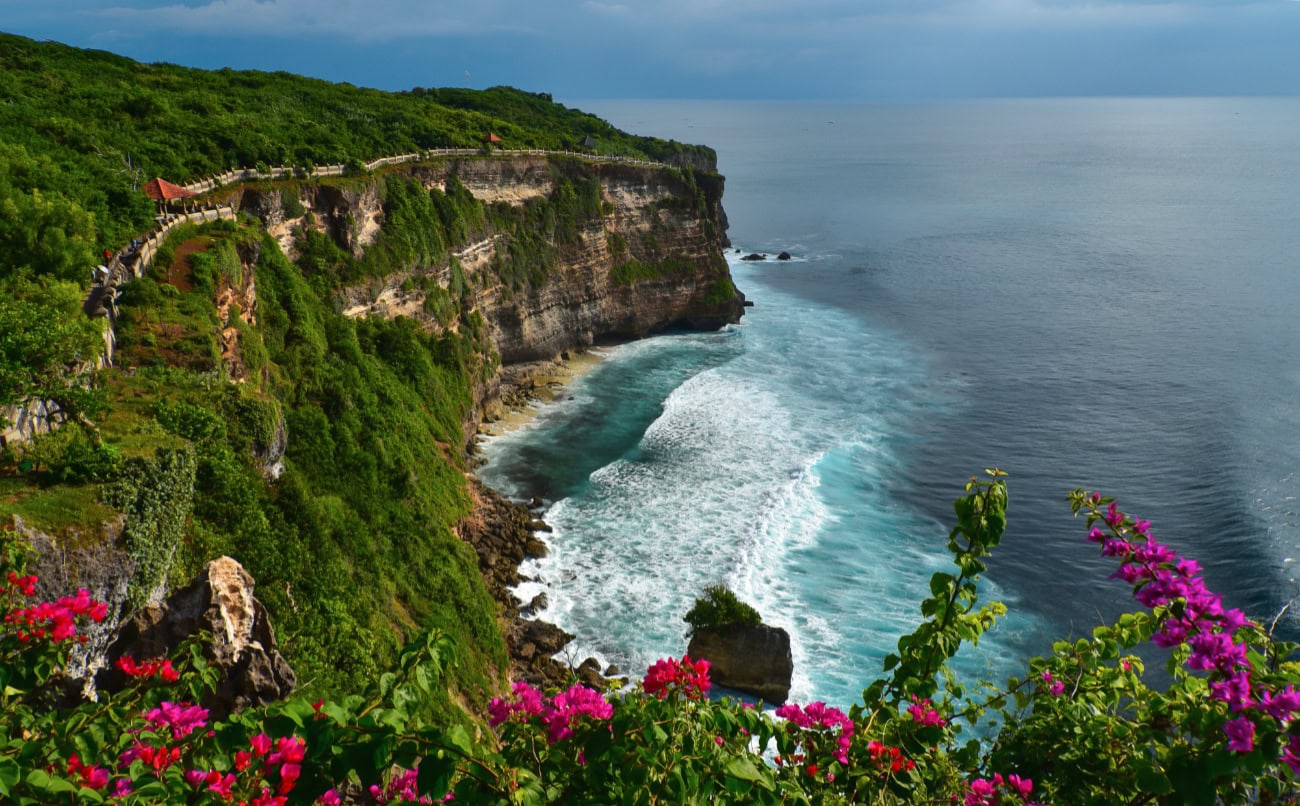
Perched on the dramatic southwestern cliffs of Bali’s Bukit Peninsula, Uluwatu is a destination that seamlessly blends world-class surfing, breathtaking natural beauty, and rich cultural heritage. Known for its towering limestone cliffs that plunge into the turquoise Indian Ocean, pristine beaches nestled in hidden coves, and the iconic Uluwatu Temple, this region has become a magnet for surfers, adventurers, and travelers seeking both adrenaline and tranquility. Whether you’re chasing the perfect wave, exploring ancient temples, or simply soaking in the stunning coastal vistas, Uluwatu offers an unforgettable Balinese experience.
A Surfer’s Paradise
Uluwatu has earned its reputation as one of the premier surfing destinations in the world, attracting surfers from every corner of the globe. The area is home to a series of world-renowned reef breaks that offer consistent, high-quality waves, particularly during the dry season from April to October when the southeast trade winds create ideal conditions.
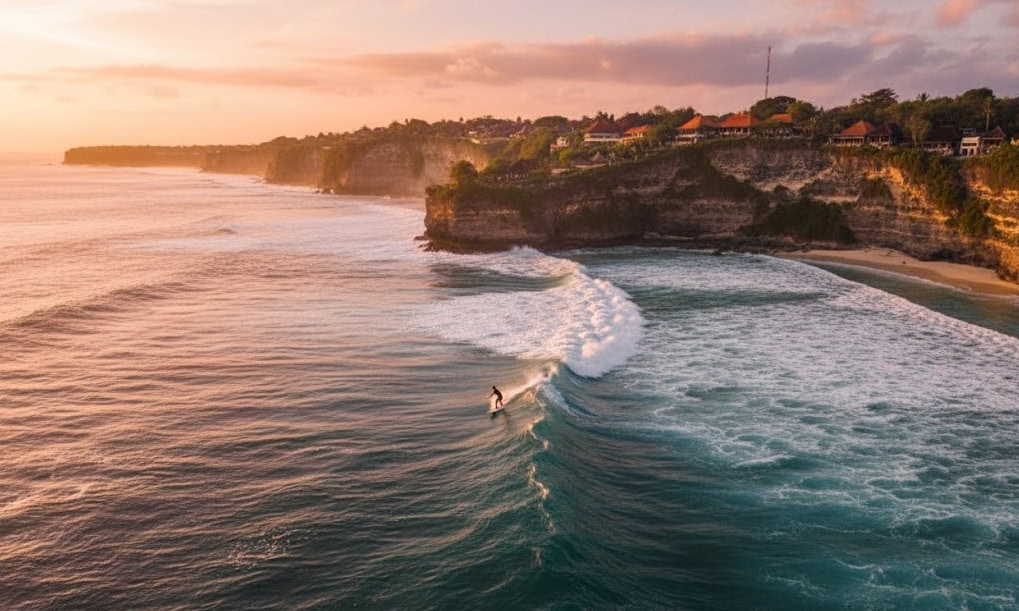
The main surf spot, often simply referred to as Uluwatu or Suluban Beach, is actually a collection of five distinct breaks along the reef:
- The Peak is the most accessible section, offering powerful left-hand barrels suitable for intermediate to advanced surfers. It’s a popular spot that can get crowded, but the quality of the waves makes it worth the company.
- Racetrack is known for its long, fast walls that allow surfers to build speed and perform maneuvers. It’s a thrilling ride that connects to other sections of the reef when the swell is right.
- Outside Corner is Uluwatu’s most iconic and challenging wave, only breaking when the swell is large. It offers massive, powerful barrels that are the stuff of surfing legend, reserved for experienced big-wave riders.
- Temples provides a more mellow section with long, workable walls, making it slightly more forgiving than the other breaks, though still demanding respect and skill.
- The Bombie is the outermost break, only coming alive during significant swells, offering heavy, powerful waves for expert surfers.
Beyond the main Uluwatu breaks, the surrounding area offers numerous other surf spots catering to different skill levels. Padang Padang and Dreamland Beach are more beginner-friendly, with sandy bottoms and smaller waves, making them ideal for those learning to surf or looking for a more relaxed session. Bingin Beach and Balangan Beach offer intermediate to advanced waves with stunning cliff-side settings.
The surf culture in Uluwatu is vibrant and welcoming, with numerous surf camps, schools, and board rental shops catering to surfers of all levels. The area has a laid-back, bohemian vibe, with beachfront warungs serving fresh juices, healthy meals, and cold Bintangs, providing the perfect post-surf hangout.
The Majestic Uluwatu Temple
Beyond the waves, Uluwatu is home to one of Bali’s most sacred and visually stunning temples, Pura Luhur Uluwatu. Perched dramatically on a 70-meter-high cliff overlooking the Indian Ocean, this ancient sea temple is one of the six key temples believed to be Bali’s spiritual pillars (Sad Kahyangan).
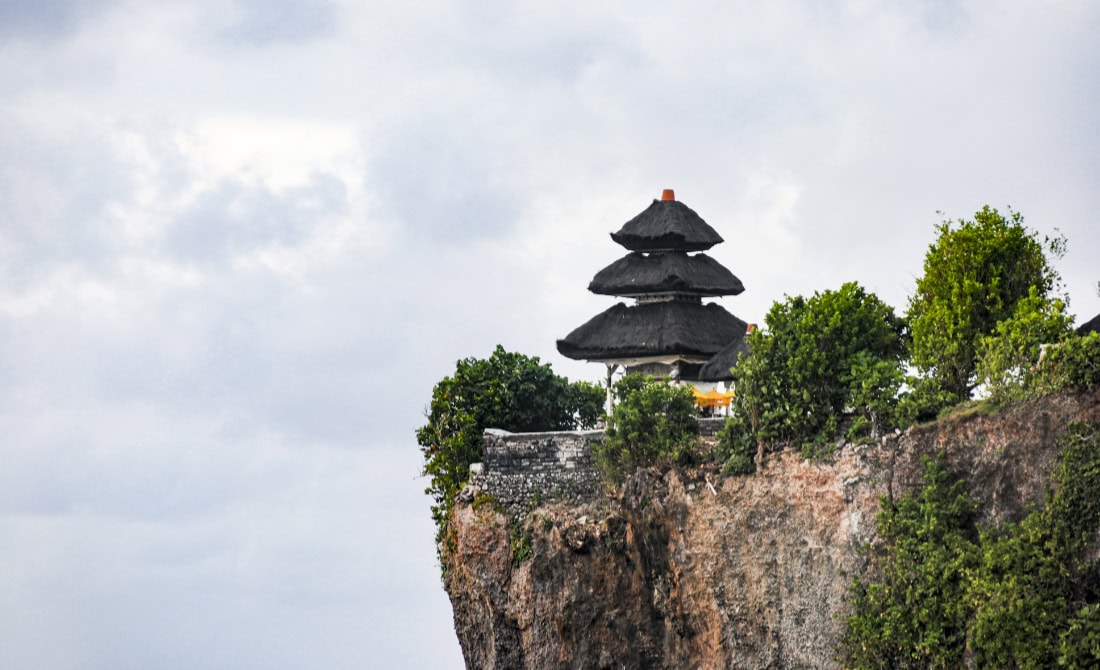
The temple dates back to the 11th century and is dedicated to the spirits of the sea. Its clifftop location offers breathtaking panoramic views of the ocean, making it one of the most photographed spots in Bali. The temple’s architecture is a beautiful example of traditional Balinese design, with intricately carved gateways and shrines.
Visiting Uluwatu Temple is best done in the late afternoon, allowing you to witness one of Bali’s most spectacular sunsets. As the sun descends towards the horizon, painting the sky in hues of orange, pink, and purple, the temple becomes even more magical. The silhouette of the temple against the fiery sky is an iconic image of Bali.
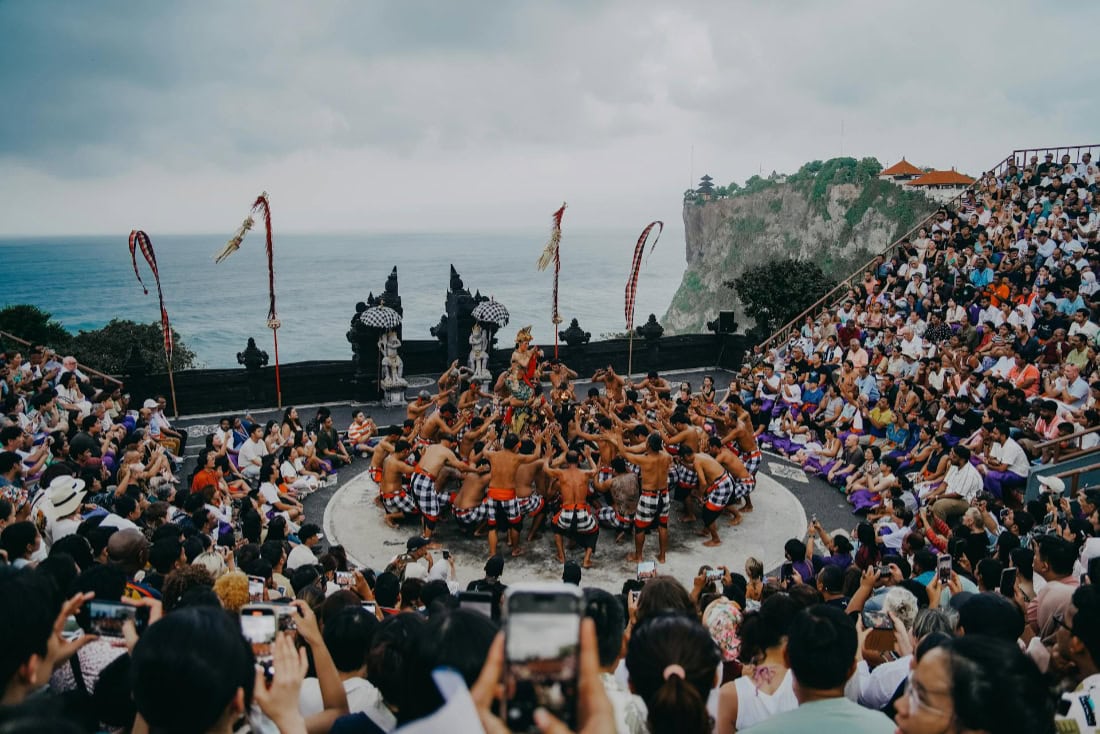
The Kecak Dance: Every evening at sunset, the temple hosts a traditional Kecak Fire Dance performance in an open-air amphitheater overlooking the ocean. This mesmerizing performance features a large chorus of men chanting “cak-cak-cak” in rhythmic harmony, accompanied by dancers enacting scenes from the Hindu epic, the Ramayana. The combination of the hypnotic chanting, dramatic storytelling, and the stunning sunset backdrop creates an unforgettable cultural experience.
Monkey Residents: The temple is also home to a large population of long-tailed macaque monkeys. While they can be entertaining to watch, they are known for being mischievous and may attempt to snatch belongings, especially shiny objects like sunglasses, jewelry, and food. Visitors are advised to keep their belongings secure and avoid direct eye contact or feeding the monkeys.
Hidden Beaches and Coastal Beauty
Uluwatu’s coastline is dotted with stunning beaches, many of which are tucked away at the base of towering cliffs, accessible via steep staircases or winding paths. These hidden gems offer a sense of seclusion and natural beauty that is hard to find elsewhere.
Suluban Beach (Blue Point Beach) is the gateway to the famous Uluwatu surf break. Accessed through a cave carved into the limestone cliffs, the beach offers a unique and dramatic setting. At low tide, the beach expands, revealing tide pools and rocky formations perfect for exploration.
Padang Padang Beach gained international fame after being featured in the movie “Eat Pray Love.” This small, picturesque beach is accessed through a narrow crevice in the rocks, opening up to a beautiful stretch of white sand framed by cliffs. It’s a popular spot for swimming, sunbathing, and beginner surfing.
Bingin Beach is a laid-back surfer’s haven with a bohemian atmosphere. The beach is lined with rustic bamboo cafes and guesthouses clinging to the cliffside, offering stunning ocean views. The vibe is relaxed and friendly, attracting a mix of surfers and travelers seeking a more authentic experience.
Balangan Beach is a long, sweeping stretch of golden sand backed by cliffs and lush greenery. It’s less crowded than some of the other beaches and offers excellent surfing conditions, as well as a more tranquil atmosphere for those looking to unwind.
Dreamland Beach is a wide, sandy beach that was once a hidden paradise but has become more developed in recent years. Despite the development, it remains a beautiful spot with good waves for beginners and intermediate surfers, and plenty of space to relax.
Practical Tips for Visiting Uluwatu
Getting There: Uluwatu is located on the southern tip of the Bukit Peninsula, approximately 25 kilometers from Ngurah Rai International Airport and about 40 minutes by car from Seminyak or Kuta. Renting a scooter is a popular and convenient way to explore the area, though hiring a driver is also an option.
Accommodation: Uluwatu offers a wide range of accommodation, from budget-friendly hostels and guesthouses to luxurious cliffside villas and resorts. Many accommodations offer stunning ocean views and easy access to the beaches and surf breaks.
Temple Etiquette: When visiting Uluwatu Temple, dress modestly by covering your shoulders and knees. Sarongs and sashes are typically provided at the entrance. Be respectful of the sacred nature of the site and be cautious of the monkeys.
Surf Safety: The surf breaks in Uluwatu are over sharp coral reefs and can have strong currents. If you’re a beginner or unfamiliar with reef breaks, it’s highly recommended to take a lesson with a local surf school or hire a guide. Always check the conditions before paddling out and respect the local surf etiquette.
Best Time to Visit: The dry season from April to October offers the best surf conditions and sunny weather. However, Uluwatu can be visited year-round, with the wet season (November to March) offering fewer crowds and occasional good swells.
Uluwatu is a destination that captures the essence of Bali’s natural beauty, cultural richness, and adventurous spirit. Whether you’re riding world-class waves, watching the sunset from an ancient temple, or discovering hidden beaches, Uluwatu promises experiences that will stay with you long after you leave its dramatic shores.
*Kecak dance photo by Habel Panggalo