
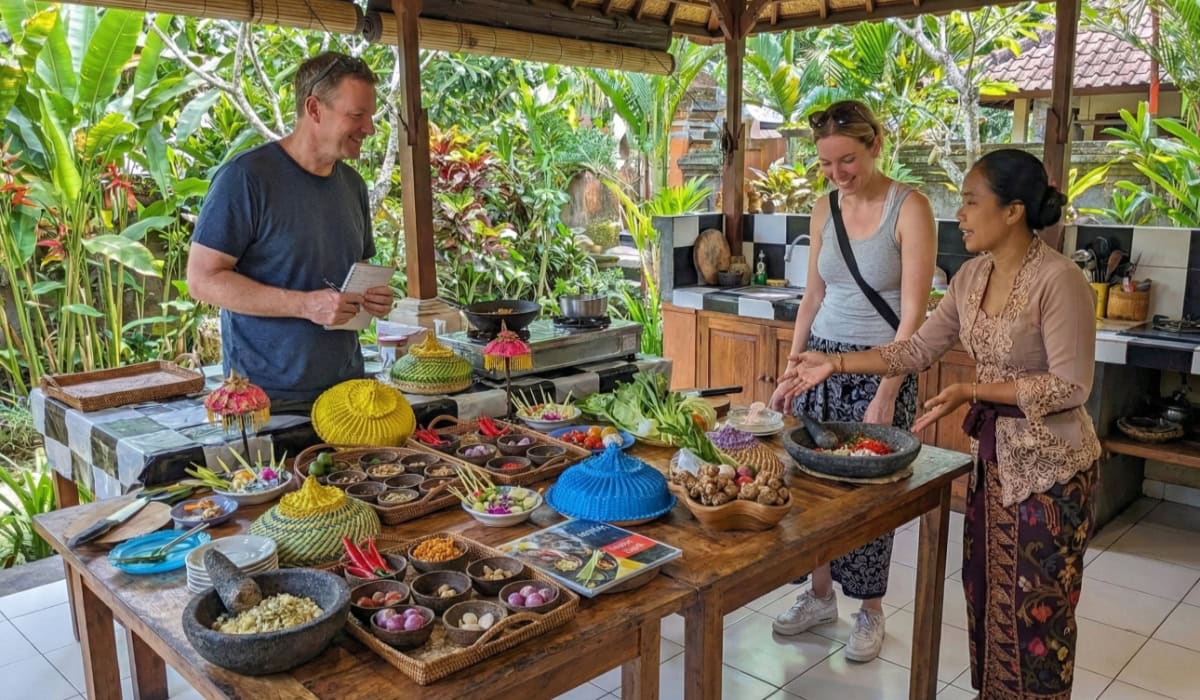
For many travelers, the vibrant flavors of Balinese cuisine are a highlight of their visit. From the aromatic spices of bumbu Bali to the rich textures of Nasi Campur and the smoky goodness of Babi Guling, the island offers a culinary experience unlike any other. But what if you could take a piece of that culinary magic home with you? Balinese cooking classes offer an immersive and delicious way to delve deeper into the island’s gastronomic traditions, providing hands-on experience and the secrets to recreating these beloved dishes in your own kitchen.
More Than Just a Recipe: A Cultural Immersion
A Balinese cooking class is far more than simply learning to follow a recipe. It’s a cultural immersion that begins long before you even step into the kitchen. Many classes start with a visit to a traditional local market, where you’ll learn about the indigenous ingredients that form the backbone of Balinese cooking. You’ll discover exotic fruits, fresh vegetables, and a dazzling array of spices, gaining an understanding of their origins and uses. This market tour is an invaluable experience, offering insights into local life and the farm-to-table philosophy that is inherent in Balinese cuisine.
Some classes even include a visit to a rice paddy or a traditional Balinese compound, providing context to the island’s agricultural practices and the daily rhythm of its people. You’ll learn about the importance of rice, the spiritual significance of offerings, and how food is intertwined with Balinese Hindu ceremonies.
The Art of Bumbu: The Soul of Balinese Cooking
At the heart of almost every Balinese dish is the bumbu, a complex paste of fresh herbs and spices that provides its distinctive flavor. In a cooking class, you’ll learn the art of preparing these essential spice pastes from scratch, often using a traditional mortar and pestle (cobek and ulekan). This hands-on process is both therapeutic and enlightening, as you grind and blend ingredients like:
- Galangal and Ginger: For their pungent, earthy notes.
- Turmeric: For its vibrant color and anti-inflammatory properties.
- Lemongrass and Kaffir Lime Leaves: For their citrusy, aromatic zest.
- Chilies: To add the characteristic Balinese kick.
- Shallots and Garlic: The foundational aromatics.
Mastering the bumbu is key to unlocking the authentic taste of Bali, and cooking classes provide expert guidance on achieving the perfect balance of flavors.
Popular Dishes You’ll Learn to Prepare
While menus can vary, most Balinese cooking classes will teach you to prepare a selection of classic dishes that are representative of the island’s culinary heritage. Common dishes include:
- Nasi Goreng (Fried Rice) or Mie Goreng (Fried Noodles): Indonesian staples that are versatile and delicious.
- Sate Lilit (Minced Fish/Chicken Satay): A unique Balinese satay made from minced meat mixed with bumbu and wrapped around lemongrass sticks.
- Lawar (Mixed Vegetable Salad): A traditional Balinese salad, often made with finely chopped vegetables, coconut, and minced meat or tofu, all mixed with bumbu.
- Tum Ayam (Steamed Chicken in Banana Leaf): Chicken mixed with bumbu, wrapped in banana leaves, and steamed or grilled, resulting in incredibly tender and flavorful parcels.
- Gado-Gado (Peanut Sauce Salad): A popular Indonesian salad with blanched vegetables, tofu, tempeh, and a rich peanut sauce.
- Sambal Matah (Raw Shallot and Lemongrass Sambal): A fresh, zesty, and fiery condiment that accompanies almost every Balinese meal.
- Desserts: Sometimes, you’ll also learn to make simple Balinese desserts like Dadar Gulung (green crepes with coconut and palm sugar filling).
Many classes also offer vegetarian and vegan options, ensuring that everyone can participate and enjoy the experience.
What to Expect from a Balinese Cooking Class
Hands-On Experience: You’ll be actively involved in every step of the cooking process, from preparing ingredients to cooking the dishes.
Expert Guidance: Local chefs or home cooks will share their knowledge, tips, and personal stories, making the experience engaging and informative.
Small Group Sizes: Most classes are conducted in small groups, allowing for personalized attention and a friendly atmosphere.
Enjoy Your Creations: The best part? You get to feast on all the delicious dishes you’ve prepared, often in a communal setting, sharing stories and laughter with your fellow participants.
Recipes to Take Home: You’ll typically receive a recipe booklet or digital copies of the dishes you’ve learned, so you can recreate the magic of Bali in your own kitchen.
Choosing the Right Cooking Class
Bali offers a wide array of cooking classes, particularly in popular areas like Ubud, Seminyak, and Canggu. When choosing a class, consider:
- Location: Do you prefer a class in a bustling town or a serene village setting?
- Inclusions: Does the class include a market tour, a visit to a rice paddy, or other cultural experiences?
- Menu: Are the dishes offered appealing to your taste and dietary preferences?
- Reviews: Check online reviews to gauge the quality of instruction and overall experience.
- Group Size: Decide if you prefer a more intimate small group or a larger, more social class.
Participating in a Balinese cooking class is an enriching way to connect with the island’s culture, learn new skills, and create lasting memories. It’s an experience that nourishes both the body and the soul, allowing you to bring the vibrant flavors and warm hospitality of Bali back home with you. So, roll up your sleeves, embrace the spices, and get ready to cook up a storm, Balinese style!