
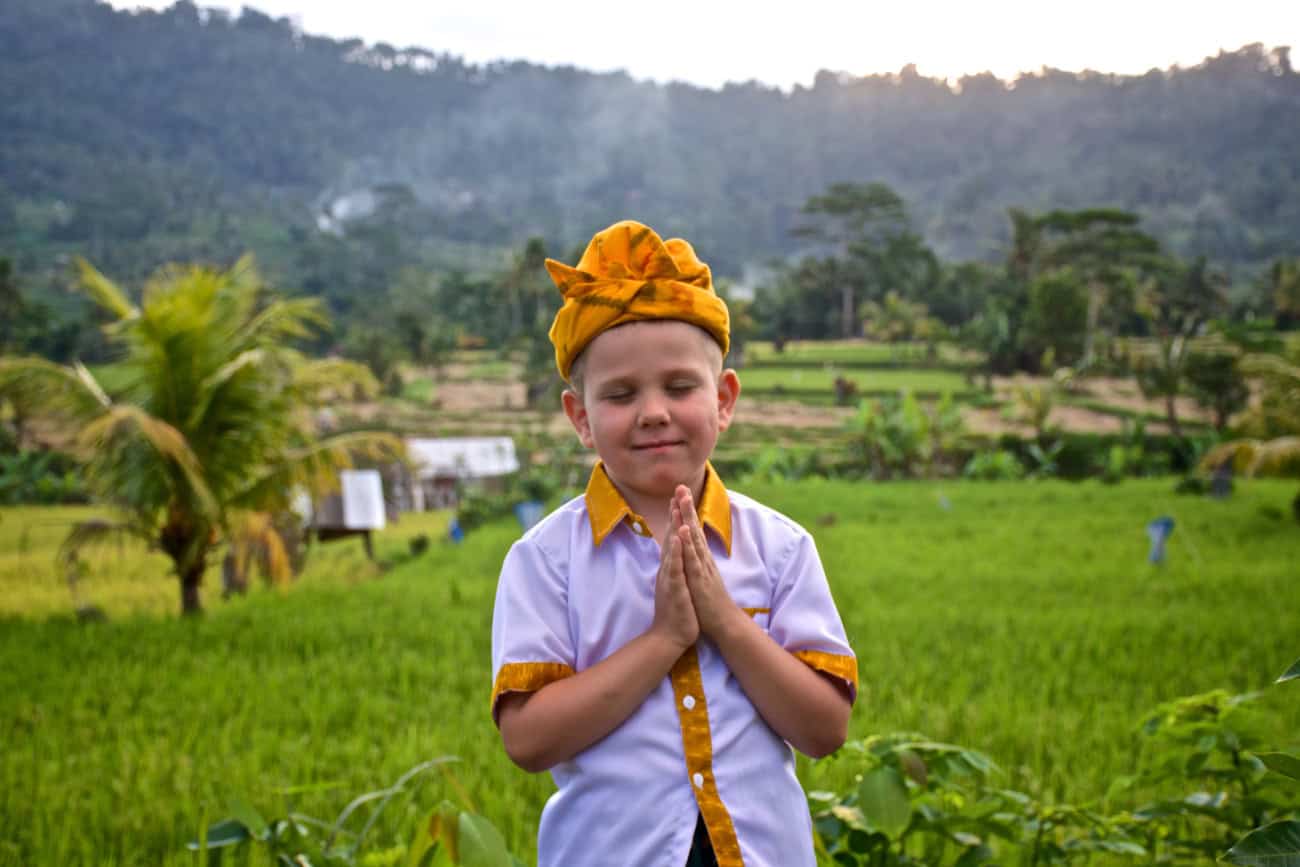
Bali, the enchanting “Island of the Gods,” captivates visitors with its stunning landscapes, vibrant culture, and profound spirituality. To truly appreciate and connect with this unique destination, it is essential for travelers to understand and respect the local customs and traditions. Balinese society is deeply rooted in Hindu-Dharma principles, emphasizing harmony, respect, and a strong sense of community. By observing proper etiquette, visitors can ensure a more enriching and harmonious experience, fostering positive interactions with the local people and their sacred island.
General Cultural Sensitivities
Balinese culture is generally conservative and places a high value on politeness and respect. While Balinese people are known for their warmth and hospitality, being mindful of their customs will greatly enhance your visit:
- Dress Modestly: When visiting temples, religious sites, or even local villages, it is crucial to dress modestly. Shoulders and knees should be covered. For temples, both men and women are required to wear a sarong (kain) and a sash (selendang), which can often be rented or purchased at the entrance. It is always a good idea to carry a sarong with you.
- Use Your Right Hand: In Balinese culture, the left hand is considered unclean, as it is traditionally used for personal hygiene. Always use your right hand when giving or receiving something (money, gifts, food), shaking hands, or pointing. If you must use your left hand, offer a polite apology.
- Head and Feet: The head is considered the most sacred part of the body, while the feet are the least. Never touch someone’s head, even a child’s. Avoid pointing your feet at people, religious objects, or offerings. When sitting, try not to show the soles of your feet to others or to a shrine.
- Maintain Composure: Public displays of anger or excessive emotion are generally frowned upon. Maintain a calm and respectful demeanor, even if you encounter frustrations.
- Be Mindful of Offerings (Canang Sari): You will see small, intricate offerings (Canang Sari) placed on sidewalks, shrines, and even in front of shops. These are sacred. Do not step on them, kick them, or disturb them. Walk around them respectfully.
- Photography: Always ask for permission before taking photos of people, especially during ceremonies or rituals. Be discreet and avoid using flash in sensitive areas.
- Public Affection: While Bali is a popular romantic destination, public displays of affection (kissing, excessive hugging) are generally considered inappropriate and should be avoided.
Temple Etiquette: Entering Sacred Spaces
Visiting Bali’s beautiful temples is a highlight for many, but it requires particular adherence to etiquette:
- Dress Code is Mandatory: As mentioned, a sarong and sash are essential. Some temples may also require women to tie their hair back.
- No Entry During Menstruation: Women who are menstruating are traditionally considered impure and are not permitted to enter temples. While this is not always visibly enforced, it is a deeply held belief and should be respected.
- Do Not Disturb Worshipers: If a ceremony is taking place, observe from a respectful distance. Do not walk in front of people who are praying, and keep your voice low.
- Remove Shoes: Always remove your shoes before entering the main prayer area of a temple or any private home.
- Avoid Elevated Positions: Never position yourself higher than a priest or a sacred shrine. This includes climbing on structures or walls within the temple complex.
- No Drones: Many temples prohibit the use of drones, especially during ceremonies, to maintain the sanctity of the space.
Social Interactions and Communication
Balinese people are generally very friendly and approachable. A few simple gestures can go a long way:
- Greetings: A simple smile and a polite “Om Swastiastu” (a common Balinese greeting meaning “May peace be with you”) will be well-received. When leaving, “Om Shanti Shanti Shanti Om” is appropriate.
- Haggling: In markets, haggling is common and expected, especially for souvenirs and non-food items. Do so politely and with a smile. Start with an offer of about half the asking price and negotiate from there. However, for food and in established shops, prices are usually fixed.
- Tipping: Tipping is not traditionally expected but is always appreciated for good service. Many restaurants and hotels include a service charge.
- Language: Learning a few basic Indonesian phrases (e.g., “Terima kasih” for thank you, “Permisi” for excuse me) can be very helpful and shows respect for the local culture.
Environmental Responsibility
While not strictly etiquette, responsible environmental behavior is increasingly important in Bali:
- Reduce Plastic Waste: Bali is grappling with plastic pollution. Minimize your use of single-use plastics, carry a reusable water bottle, and dispose of your trash properly.
- Support Local: Choose local businesses, restaurants, and guides to ensure your tourism dollars benefit the community directly.
- Respect Wildlife: Do not feed wild animals, especially monkeys, as it can disrupt their natural behavior and lead to aggressive encounters.
By embracing these simple guidelines, travelers can not only avoid cultural misunderstandings but also deepen their appreciation for Bali’s rich heritage and contribute positively to the local community. Respectful travel ensures that the magic of the Island of the Gods remains vibrant for generations to come.