
In the remote eastern reaches of Indonesia, where the Pacific and Indian Oceans converge, lies an archipelago of such extraordinary natural beauty and marine biodiversity that it has earned the title of “The Last Paradise on Earth.” Raja Ampat, meaning “Four Kings” in Indonesian, is a sprawling collection of over 1,500 small islands, cays, and shoals surrounding the four main islands of Misool, Salawati, Batanta, and Waigeo, located off the northwest tip of West Papua. For divers, snorkelers, and nature enthusiasts, Raja Ampat represents the pinnacle of underwater exploration, offering an unparalleled glimpse into the planet’s most biodiverse marine ecosystem.
The Epicenter of Marine Biodiversity
Raja Ampat sits within the Coral Triangle, the global epicenter of marine biodiversity, and is widely recognized as having the richest coral reefs on Earth. Scientific surveys have documented an astonishing array of marine life, including over 75% of the world’s known coral species (more than 600 species), approximately 1,400 species of reef fish, and countless invertebrates, mollusks, and other marine organisms. To put this in perspective, this relatively small area contains more marine species than the entire Caribbean Sea.
The waters of Raja Ampat are home to majestic manta rays, several species of sharks (including wobbegong and reef sharks), sea turtles, dugongs, and a dazzling variety of macro life such as pygmy seahorses, nudibranchs, and colorful reef fish. During certain seasons, lucky visitors may even encounter dolphins, orcas, and various whale species. The sheer abundance and diversity of life create an underwater spectacle that is simply unmatched anywhere else on the planet.
World-Class Diving and Snorkeling
For divers, Raja Ampat offers an experience that borders on the surreal. The dive sites are characterized by pristine hard and soft corals in every imaginable color, dramatic underwater topography including walls, pinnacles, and caves, and visibility that often exceeds 30 meters. The currents can be strong in some areas, bringing nutrient-rich waters that support the incredible marine life, making drift diving a thrilling adventure.
Some of the most renowned dive sites include:
- Misool is famous for its stunning coral gardens, particularly at sites like Boo Windows and Magic Mountain, where the reef walls are adorned with vibrant soft corals and teeming with fish. The area is also known for encounters with manta rays and the unique “walking” sharks (epaulette sharks).
- Cape Kri holds the world record for the most fish species recorded in a single dive, with over 370 species documented. The site features a gently sloping reef that explodes with life, offering an overwhelming sensory experience.
- Manta Sandy and Manta Ridge are cleaning stations where graceful manta rays come to be cleaned by smaller fish, providing divers with the opportunity to observe these gentle giants up close in their natural behavior.
- The Passage near Waigeo offers a unique dive through a narrow channel flanked by lush mangroves and limestone cliffs, with walls covered in soft corals and schools of fish navigating the currents.
For snorkelers, Raja Ampat is equally spectacular. Many of the dive sites have shallow reefs that are perfect for snorkeling, and the house reefs at various resorts and homestays offer easy access to incredible underwater worlds. The calm, clear waters and abundant marine life make snorkeling in Raja Ampat an unforgettable experience, even for those who prefer to stay on the surface.
Beyond the Underwater World
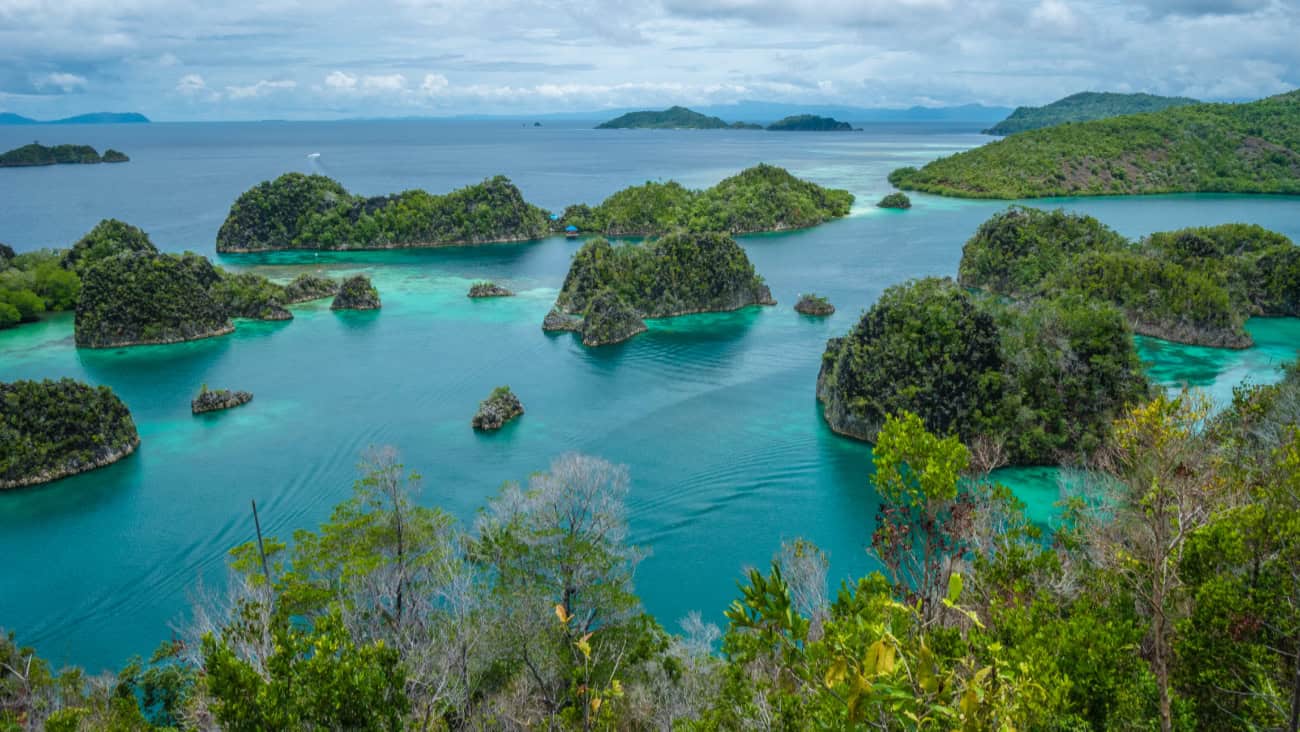
While the marine environment is undoubtedly the main attraction, Raja Ampat’s terrestrial beauty is equally captivating. The islands are covered in lush tropical rainforests, home to unique bird species such as the iconic Red Bird of Paradise and Wilson’s Bird of Paradise, making it a paradise for birdwatchers. The dramatic limestone karst formations, rising steeply from the turquoise waters, create a landscape that is both otherworldly and breathtaking.
Piaynemo (Pianemo) is one of Raja Ampat’s most photographed viewpoints, offering a panoramic vista of small, mushroom-shaped islands scattered across the azure sea. The hike to the viewpoint involves climbing several hundred steps, but the reward is a view that will leave you speechless.
Wayag Islands, located in the northern part of Raja Ampat, offer another iconic viewpoint with a similar karst landscape. The remote location and challenging access make it less crowded, providing a more serene experience.
Exploring the islands by kayak is a wonderful way to appreciate the coastal beauty, navigate through hidden lagoons, and discover secluded beaches. Many resorts and tour operators offer kayaking as part of their activities.
Getting There and Practical Information
Reaching Raja Ampat requires some effort, but the journey is well worth it. The gateway to Raja Ampat is the town of Sorong in West Papua, which is accessible by direct flights from major Indonesian cities such as Jakarta, Bali (Denpasar), and Makassar. From Sorong, you’ll need to take a ferry to Waisai, the capital of Raja Ampat Regency, located on Waigeo Island. The ferry journey takes approximately 2 to 2.5 hours, with both express and regular services available daily.
From Waisai, most resorts and homestays provide boat transfers to their respective locations, which can range from a short ride to several hours, depending on the destination. Some liveaboard dive boats also depart directly from Sorong, offering multi-day diving expeditions around the archipelago.
Best Time to Visit: Raja Ampat can be visited year-round, but the best conditions are generally from October to April, when the seas are calmer and visibility is at its peak. The period from May to September can experience rougher seas and occasional rain, though diving is still possible.
Accommodation: Options range from basic homestays run by local families, offering an authentic and budget-friendly experience, to luxurious eco-resorts with world-class amenities. Liveaboard dive boats are also a popular choice for serious divers who want to maximize their underwater time and access more remote sites.
Conservation Fee: Visitors to Raja Ampat are required to pay a conservation fee (currently around 1 million IDR for international tourists), which supports marine conservation efforts and local community development. This fee is typically valid for one year.
Sustainability: Raja Ampat is a protected marine area, and sustainable tourism practices are crucial to preserving its pristine environment. Visitors are encouraged to follow responsible diving and snorkeling practices, avoid single-use plastics, and respect local customs and wildlife.
A Journey Worth Taking
Raja Ampat is not just a destination; it’s a pilgrimage for anyone who loves the ocean and the natural world. The journey may be long and the costs higher than other Indonesian destinations, but the rewards are immeasurable. The underwater landscapes are so vibrant and teeming with life that they seem almost unreal, and the above-water scenery is equally mesmerizing. It’s a place that reminds us of the incredible beauty and fragility of our planet, and the importance of protecting these precious ecosystems for future generations. For divers and nature lovers, Raja Ampat truly is a dream come true.