
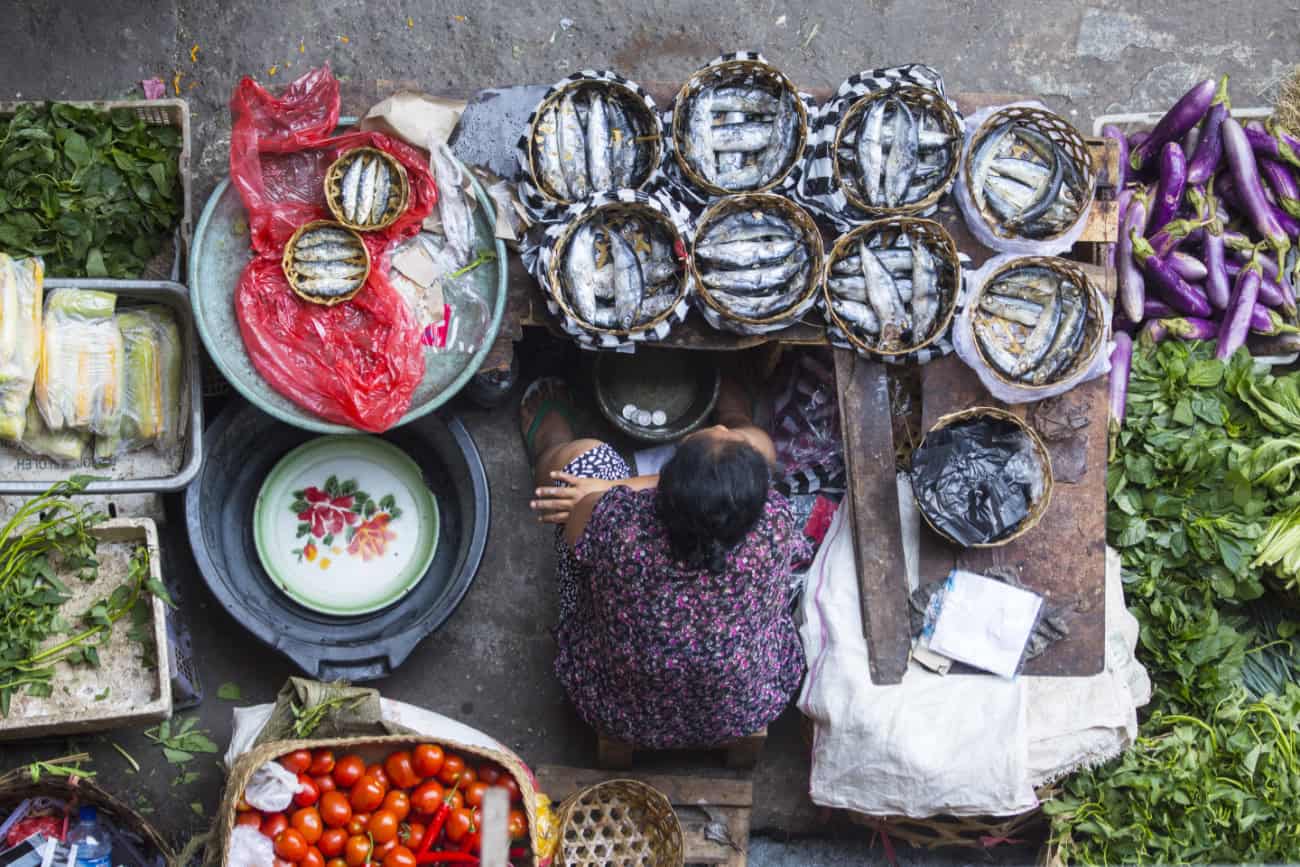
To truly experience the heart and soul of Indonesia, one must venture into its traditional markets, or pasar tradisional. These bustling hubs are far more than just places to buy and sell goods; they are vibrant cultural centers, social gathering spots, and living museums that offer a kaleidoscopic sensory journey. From the cacophony of vendors calling out their wares to the intoxicating aromas of spices and fresh produce, and the colorful displays of local crafts, Indonesian traditional markets provide an authentic glimpse into the daily lives, customs, and culinary traditions of the archipelago.
The Pulse of the Community
Traditional markets have been the lifeblood of Indonesian communities for centuries, predating modern supermarkets and shopping malls. They serve as essential economic engines, connecting farmers, fishermen, artisans, and consumers. But their significance extends beyond commerce. Markets are places where news is exchanged, friendships are forged, and the rhythm of daily life unfolds. They are democratic spaces where people from all walks of life interact, haggle, and connect.
Each market has its own unique character, shaped by its local culture, geography, and the products it offers. While some are permanent structures, others are temporary, popping up on specific days of the week or for special occasions, such as religious festivals.
A Feast for the Senses: What to Expect
Stepping into an Indonesian traditional market is an immersive experience that engages all five senses:
- Sight: A riot of colors greets the eye – vibrant piles of tropical fruits, emerald-green vegetables, shimmering fish, brightly dyed textiles, and intricately crafted handicrafts. The stalls are often overflowing, creating a visual feast that is both chaotic and beautiful.
- Sound: The air is filled with a symphony of sounds: the chatter of vendors and shoppers, the clatter of cooking utensils, the occasional call to prayer, and the rhythmic chopping of ingredients. It’s a lively and energetic soundscape that reflects the market’s bustling activity.
- Smell: An intoxicating blend of aromas wafts through the air – the earthy scent of fresh spices, the sweet fragrance of exotic fruits, the pungent notes of durian, the savory smell of fried snacks, and the distinct aroma of local herbs. Each section of the market offers its own olfactory signature.
- Touch: The tactile experience is just as rich. Shoppers can feel the ripeness of a mango, inspect the texture of a batik fabric, or test the sharpness of a traditional knife. It’s a hands-on shopping experience where interaction with the products is encouraged.
- Taste: And of course, the taste. Markets are a culinary playground, offering an endless array of street food, snacks, and ingredients to sample. From freshly made gorengan (fried snacks) to sweet jajan pasar (traditional cakes) and refreshing tropical juices, there’s always something delicious to try.
What to Find and Buy
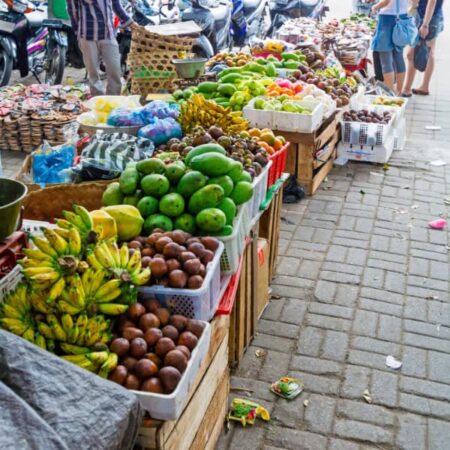
Traditional markets are the best places to find authentic local products and experience Indonesian cuisine. Here’s a glimpse of what you can typically find:
- Fresh Produce: An abundance of tropical fruits (mangoes, papayas, rambutan, mangosteen, durian), a wide variety of vegetables, and local herbs and spices that form the backbone of Indonesian cooking.
- Meat and Fish: Freshly caught seafood, poultry, and various cuts of meat, often displayed openly.
- Spices and Condiments: Aromatic spices like turmeric, ginger, galangal, lemongrass, and chili, along with homemade sambal (chili paste) and kecap manis (sweet soy sauce).
- Traditional Snacks and Sweets: A colorful assortment of jajan pasar, including sticky rice cakes, steamed puddings, and fried delicacies.
- Textiles and Handicrafts: Batik fabrics, woven ikat textiles, traditional clothing, wood carvings, basketry, and other artisanal products, often at more affordable prices than tourist shops.
- Household Goods: Everything from cooking utensils and cleaning supplies to religious offerings and ceremonial items.
Unique Market Experiences Across the Archipelago
Indonesia’s vast geography and diverse cultures mean that its traditional markets come in many fascinating forms:
- Floating Markets (e.g., Lok Baintan in South Kalimantan): A unique spectacle where vendors sell their goods from boats along rivers, a tradition that dates back centuries.
- Night Markets (e.g., Sindhu Night Market in Bali, Malioboro in Yogyakarta): As the sun sets, these markets come alive, offering a dazzling array of street food, snacks, and local delicacies.
- Art Markets (e.g., Ubud Traditional Art Market in Bali): Specializing in local arts and crafts, these markets are perfect for finding souvenirs, paintings, and sculptures.
- Extreme Markets (e.g., Tomohon Traditional Market in North Sulawesi): Known for selling exotic and sometimes controversial meats, offering a glimpse into specific regional culinary traditions.
Tips for Visiting Traditional Markets
Go Early: Many markets are most active in the early morning when produce is freshest and the atmosphere is most vibrant.
Bring Small Denominations: Vendors often prefer small bills and coins.
Haggle (Politely): Bargaining is a common practice, especially for non-food items. Do it with a smile and a friendly attitude.
Be Prepared for Crowds: Markets can be busy and sometimes chaotic, especially during peak hours.
Watch Your Belongings: As with any crowded place, be mindful of your valuables.
Try the Food: Don’t be afraid to sample the street food. It’s often delicious, fresh, and a true taste of local life.
Be Respectful: Dress modestly, especially in more conservative regions, and always ask permission before taking photos of people.
Traditional markets are an indispensable part of the Indonesian experience, offering a window into the country’s rich cultural heritage and the warmth of its people. They are places where traditions are upheld, communities thrive, and every visit promises a new discovery. So, next time you’re in Indonesia, step away from the air-conditioned malls and immerse yourself in the vibrant, authentic world of the pasar tradisional.