
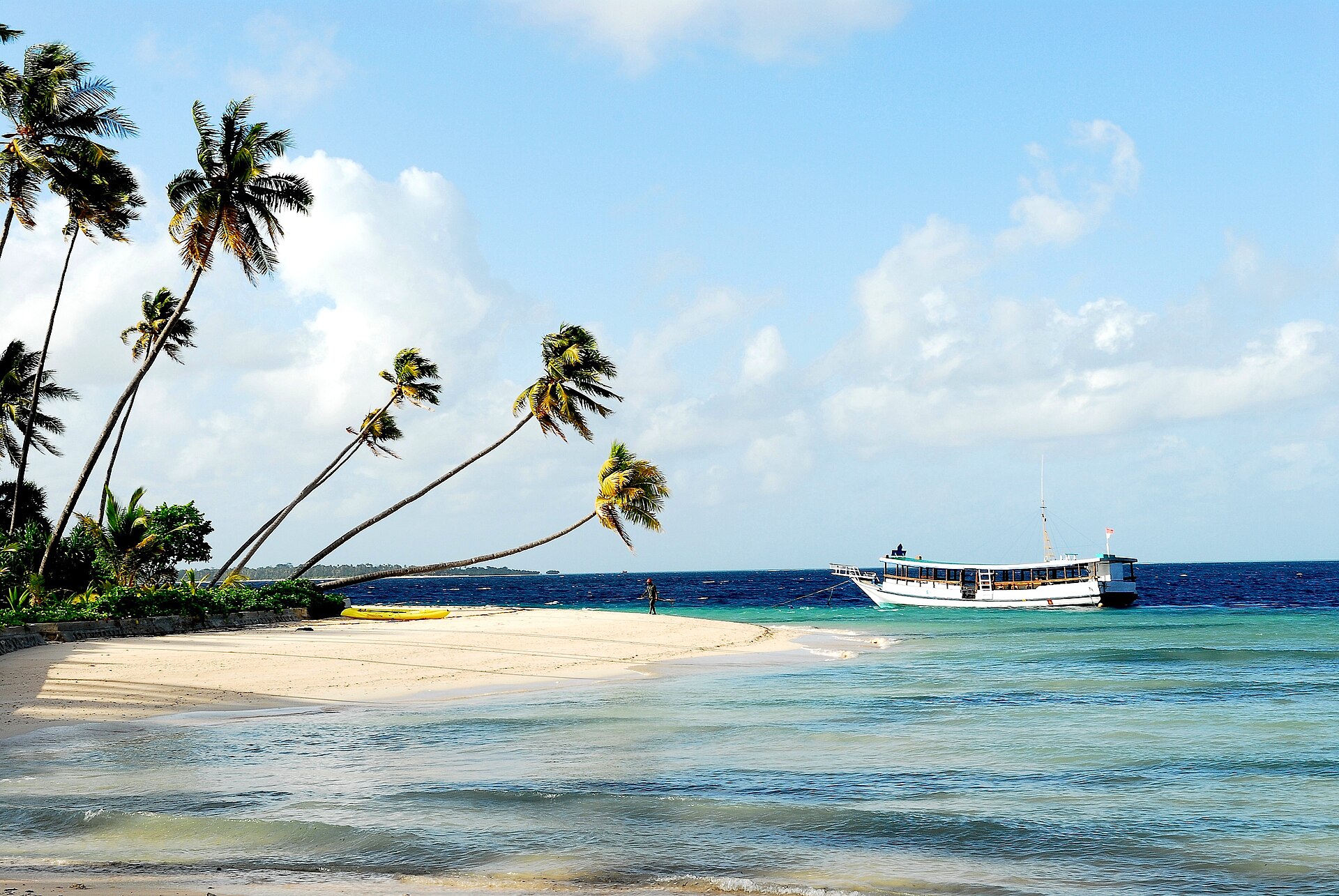
In the remote southeastern corner of Sulawesi, Indonesia, lies Wakatobi National Park, a marine protected area of unparalleled beauty and ecological significance. This archipelago, whose name is an acronym for the four main islands—Wangiwangi, Kaledupa, Tomia, and Binongko—is globally recognized as one of the world’s most biodiverse marine ecosystems. A designated UNESCO Biosphere Reserve, Wakatobi is a true underwater wonderland, offering divers and snorkelers an extraordinary glimpse into the vibrant heart of the Coral Triangle.
The Epicenter of Marine Biodiversity
Wakatobi’s claim to fame rests on its astonishing marine biodiversity. Situated at the confluence of the Banda Sea and the Flores Sea, its waters are home to an incredible array of life, making it a prime location for marine research and conservation. The park boasts an astounding number of coral species, with estimates ranging from 396 to over 750 species, representing a significant portion of the world’s total. This rich coral diversity, in turn, supports a staggering variety of fish species, with over 900 recorded, alongside numerous other marine organisms.
Key features of Wakatobi’s marine ecosystem:
- Coral Gardens: Vast, pristine coral reefs, including fringing reefs, barrier reefs, and atolls, showcase an incredible spectrum of hard and soft corals in every imaginable shape and color.
- Fish Diversity: From tiny pygmy seahorses and colorful reef fish to larger pelagic species like barracudas, tuna, and various sharks, the waters teem with life.
- Rare and Endemic Species: Wakatobi is a hotspot for rare and endemic species, offering unique opportunities for underwater photographers and marine enthusiasts.
- Healthy Ecosystem: Due to its remote location and effective conservation efforts, Wakatobi’s reefs are remarkably healthy and resilient, providing a stark contrast to many degraded reefs worldwide.
Diving and Snorkeling: A World Beneath the Waves
Wakatobi is a diver’s paradise, consistently ranked among the top dive destinations globally. The crystal-clear waters, minimal currents in many areas, and an abundance of easily accessible dive sites make it suitable for divers of all experience levels, from beginners to seasoned professionals. Snorkelers too can revel in the shallow, vibrant reefs just meters from the shore.
Popular diving and snorkeling experiences include:
- Wall Dives: Many sites feature dramatic drop-offs and vertical walls adorned with sponges, gorgonians, and soft corals, providing habitats for a multitude of creatures.
- Reef Slopes: Gentle slopes covered in healthy hard corals are perfect for exploring the intricate details of the reef ecosystem.
- Macro Photography: The sheer density of small, fascinating creatures makes Wakatobi a macro photographer’s dream, with countless opportunities to spot nudibranchs, frogfish, and various crustaceans.
- Night Dives: The reefs transform after dark, revealing a different cast of nocturnal creatures, including hunting sharks, crabs, and sleeping parrotfish.
Liveaboard cruises are a popular way to explore the more remote dive sites within the park, offering extended access to its pristine underwater landscapes. For those preferring land-based options, several eco-resorts and local homestays provide direct access to excellent house reefs.
Beyond the Reef: Island Exploration and Local Culture
While Wakatobi is primarily celebrated for its underwater treasures, the islands themselves offer a glimpse into the unique culture of the Bajo people, often referred to as “sea gypsies.” These indigenous communities have a deep connection to the ocean, living in stilt houses over the water and maintaining traditional fishing practices.
Visitors can explore the islands, visit local villages, and witness traditional boat building. The main islands offer opportunities for:
- Island Hopping: Discover secluded beaches, hidden coves, and picturesque viewpoints across the archipelago.
- Cultural Immersion: Interact with local communities, learn about their customs, and experience their warm hospitality.
- Kayaking and Paddleboarding: Explore the calm, clear waters around the islands at a leisurely pace.
- Birdwatching: The islands are also home to a variety of bird species, making it an interesting spot for ornithologists.
Sustainable Tourism and Conservation
Wakatobi National Park is a shining example of successful marine conservation, largely due to the collaborative efforts between local communities, government, and tourism operators. Sustainable tourism practices are actively promoted, ensuring that the park’s natural beauty and biodiversity are preserved for future generations. Visitors are encouraged to support these efforts by choosing eco-friendly operators and respecting marine life.
Getting There
Reaching Wakatobi requires a bit of effort, adding to its allure as a remote paradise. The most common route involves flying to Makassar (UPG) or Kendari (KDI) in Sulawesi, then taking a connecting flight to Wangiwangi (WNI), the main gateway island of Wakatobi. Alternatively, some travelers opt for a combination of flights and ferries from other parts of Sulawesi.
Wakatobi National Park is more than just a destination; it’s an experience that transports you to a world of unparalleled natural wonder. Its vibrant coral reefs, teeming marine life, and serene island landscapes offer a profound connection to the ocean and a reminder of the incredible biodiversity that exists on our planet. For those seeking an unforgettable underwater adventure and a peaceful escape, Wakatobi truly is an untouched gem of Southeast Sulawesi.
* Wakatobi beach photo by JennyHuang